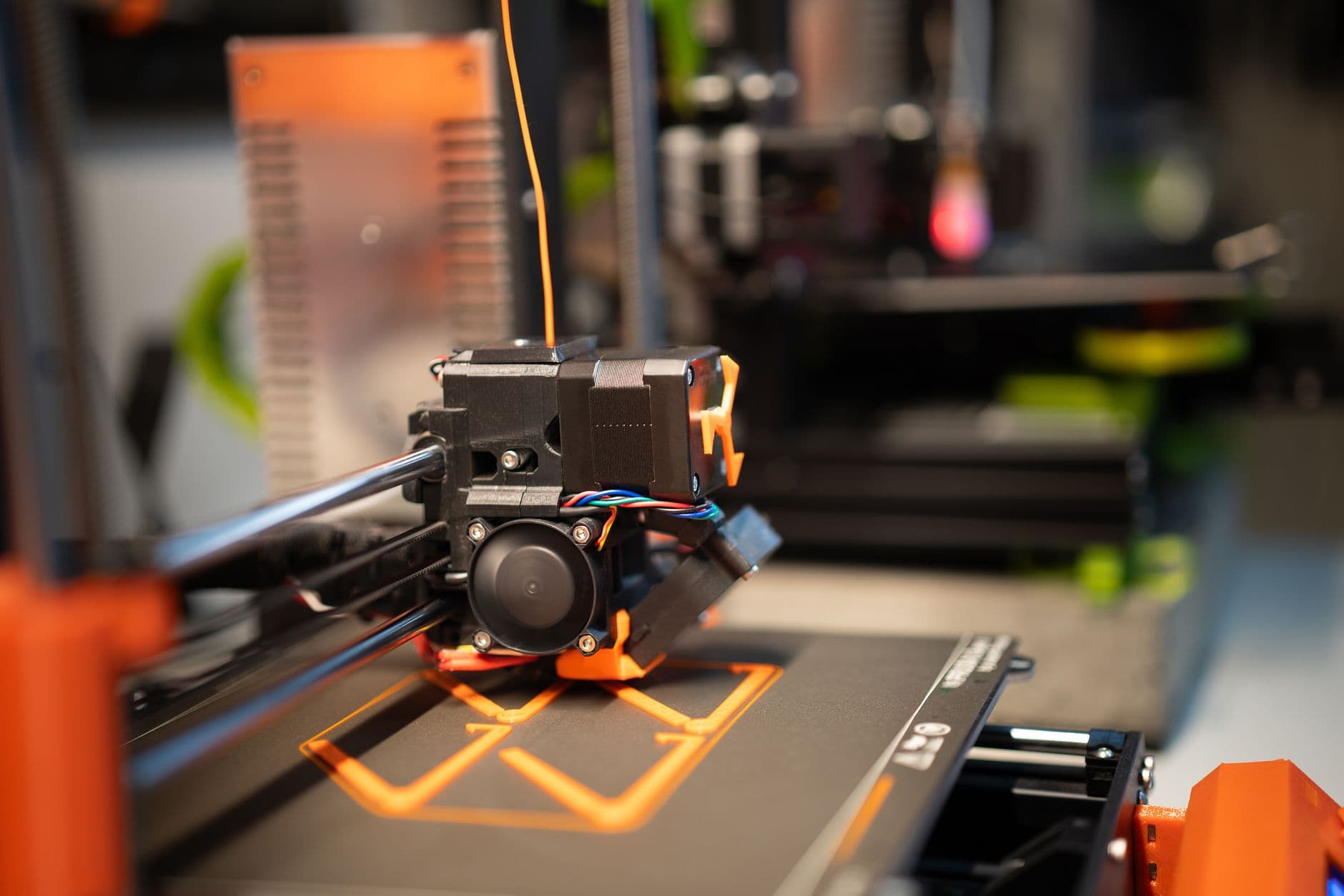
Revolutionising Production: How Innovative 3D Printers Are Challenging Enterprise FDM in South Africa
In the dynamic landscape of additive manufacturing, innovation often springs from direct experience. A compelling new story from Los Angeles highlights this perfectly: print service owners, having faced the frustrations of traditional enterprise FDM (Fused Deposition Modeling) systems, have taken matters into their own hands. They’ve developed the R3 printer – a liquid-cooled, open-material FDM machine designed for reliable, high-temperature production, directly challenging the established giants. This entrepreneurial spirit and focus on real-world solutions hold significant lessons and opportunities for the burgeoning 3D printing industry in South Africa.
Addressing the Pain Points of Industrial 3D Printing
The narrative behind R3 Printing resonates deeply with professionals who rely on 3D printing for critical applications. The founders, themselves operators of a print service, encountered common issues with existing enterprise FDM machines: high costs, closed material ecosystems, and often, a lack of the sheer reliability needed for continuous production environments. Their solution, priced at $29.5K and capable of reaching 500°C, signals a paradigm shift. This isn't just about faster printing; it's about robust, repeatable performance with advanced engineering polymers, and crucially, an open-material philosophy.
For businesses across South Africa, from emerging startups to established manufacturing firms, the implications are profound. Imagine accessing industrial-grade 3D printing capabilities without the prohibitive upfront investment or being locked into proprietary, expensive materials. This kind of disruption means more accessible paths to innovation and cost-efficiency, which are vital for local competitiveness.
The Power of High-Temperature and Open Materials
The R3 printer's ability to operate at 500°C opens the door to printing with high-performance polymers such as PEEK, PEKK, and carbon fibre-reinforced composites. These materials are essential for applications demanding extreme strength, heat resistance, and chemical inertness – areas where traditional manufacturing methods can be slow and costly. For industries in South Africa, including aerospace components, automotive prototyping, medical implants, and even complex mining equipment, this capability is a game-changer.
The 'open-material' approach is equally significant. It empowers users to choose the best filament for their specific application, fostering competition among material suppliers and potentially reducing operational costs. This flexibility is crucial for businesses aiming for rapid prototyping South Africa needs, allowing them to experiment and iterate designs with a wider range of functional materials more efficiently.
Opportunities for 3D Printing Services South Africa
The emergence of machines like the R3 printer creates immense opportunities for 3D printing services South Africa-wide. Local bureaus can now offer advanced material capabilities previously only available from a select few high-end providers or through international outsourcing. This could lead to a surge in local manufacturing, enabling companies to produce end-use parts, custom tooling, and functional prototypes domestically.
Consider the specific advantages for 3D printing Cape Town's vibrant tech and design sectors. With its strong engineering base and growing industrial landscape, Cape Town is uniquely positioned to benefit from accessible, high-performance additive manufacturing. From product design houses needing rapid, high-fidelity prototypes to marine engineering firms requiring custom, durable components, the demand for such advanced 3D printing services is clear.
Towards a More Resilient Manufacturing Future
What the R3 Printing story truly highlights is the continuous evolution of additive manufacturing driven by the needs of its users. It's a testament to how practical experience can fuel innovation, leading to solutions that are more reliable, cost-effective, and user-centric. For the South African market, this signifies a brighter future where advanced manufacturing technologies are more attainable and empowering.
ThinkerPrint is committed to bringing these cutting-edge insights and solutions to our South African community. We understand the challenges and aspirations of local businesses and believe that democratising access to high-performance 3D printing is key to unlocking new levels of creativity and industrial capability. As the industry continues to evolve, embracing these innovations will be crucial for maintaining a competitive edge and fostering a resilient, self-sufficient manufacturing ecosystem right here at home.