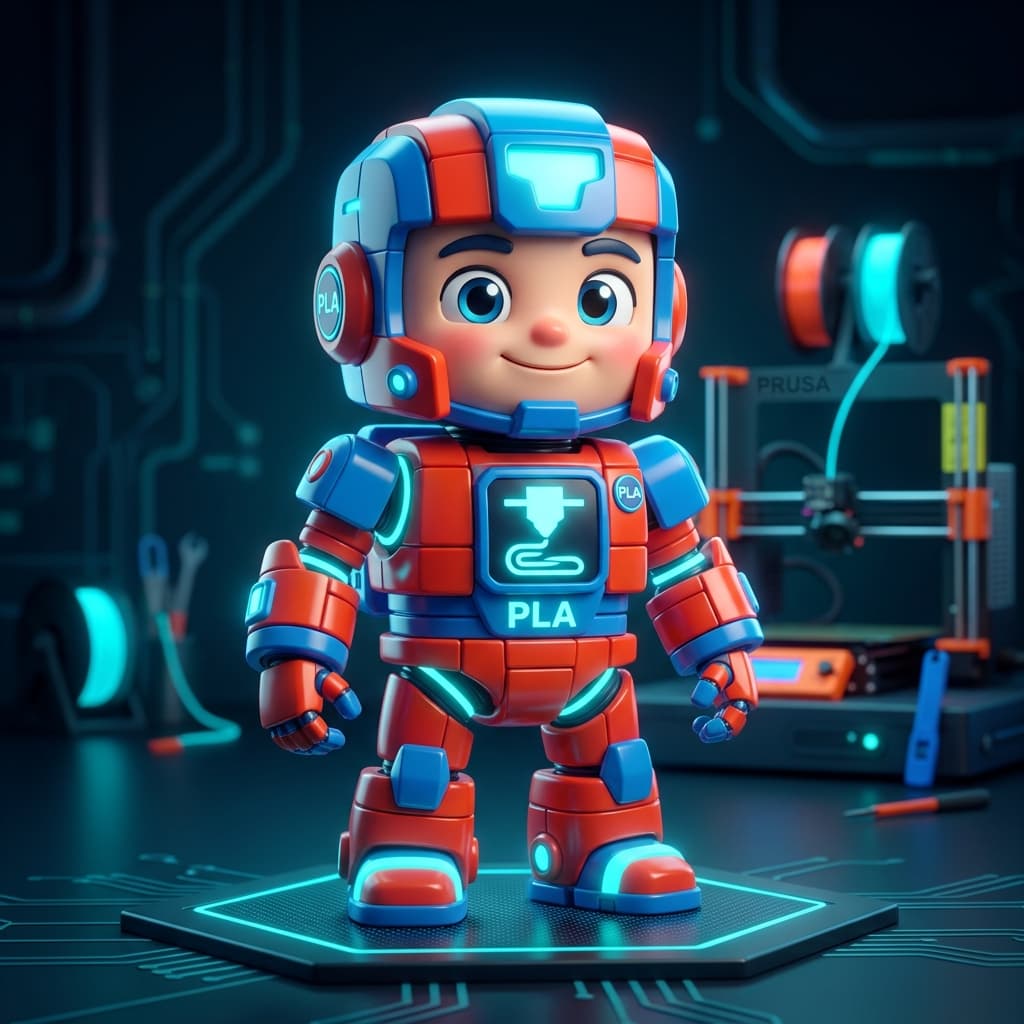
Filament Friday: PLA – Your Gateway to 3D Printing Excellence in South Africa!
Welcome back to another sizzling Filament Friday, fellow makers! Today, we're shining our spotlight on the undisputed king of desktop 3D printing: Polylactic Acid, or as we affectionately call it, PLA. If you're into 3D printing Cape Town or anywhere across this beautiful nation, chances are PLA was your first love – and for good reason! Here at ThinkerPrint, your go-to South African 3D printing studio, we know PLA like the back of our extruder, and we're ready to share all its secrets.
What is PLA, Anyway?
Before we dive into the nitty-gritty, let's get acquainted. PLA is a thermoplastic polymer derived from renewable resources like corn starch, tapioca roots, or sugarcane. That's right, it's a bioplastic, making it a more eco-friendly choice compared to many other filaments. It’s accessible, versatile, and the perfect starting point for anyone entering the magical world of additive manufacturing.
The Superpowers of PLA: Why It Reigns Supreme
PLA isn't just popular; it’s genuinely fantastic for many applications. Here's why makers, from beginners to pros, keep coming back to it:
- Beginner-Friendly: Oh, so easy to print! PLA requires lower print temperatures and doesn't demand a heated bed, although it helps. It's forgiving, meaning fewer failed prints and more joy.
- Minimal Warping: Unlike some trickier filaments, PLA exhibits very little warping or shrinking during cooling. This means your parts stay true to their design.
- Eco-Conscious Choice: Being derived from natural resources and biodegradable under industrial composting conditions, PLA is a step towards more sustainable 3D printing.
- Vibrant Colours & Finishes: PLA comes in an astonishing array of colours, transparencies, and unique finishes – from silky smooth to glitter-infused. Your imagination is the only limit!
- No Fumes, No Fuss: Printing with PLA produces a barely noticeable, often sweet, odour. No need for intensive ventilation setups, making it ideal for home or office environments.
PLA's Kryptonite: Understanding its Limitations
Even heroes have weaknesses, and PLA is no exception. Knowing these helps you choose the right filament for the job:
- Brittle Nature: While strong, PLA can be brittle. It's not ideal for parts that need to withstand high impacts or significant bending.
- Low Heat Resistance: This is PLA's biggest Achilles' heel. It begins to soften and deform at relatively low temperatures (around 60°C). Don't leave your PLA prints in a hot car!
- UV Degradation: Prolonged exposure to direct sunlight and moisture can cause PLA to become brittle and degrade over time, making it less suitable for long-term outdoor applications.
- Not Always Food Safe: While the raw material is often considered food safe, the printing process itself can introduce contaminants, and printed parts are porous. Always exercise caution.
Where PLA Truly Shines: Best Uses for Your Prints
Thanks to its ease of use and good aesthetics, PLA is perfect for a multitude of projects. It’s a staple for rapid prototyping South Africa needs!
- Prototypes & Concept Models: Quickly bring your ideas to life. PLA’s ease of printing makes it perfect for iterative design and testing form factors.
- Decorative Items: Vases, sculptures, intricate artistic pieces – PLA handles them beautifully with stunning detail.
- Toys & Figurines: Perfect for creating fun, detailed models for personal enjoyment or gifts.
- Architectural Models: Showcase designs with precision and vibrant colours.
- Jigs & Fixtures (Non-Load Bearing): For light-duty shop aids where heat isn't a factor.
Getting Technical: PLA Print Settings at ThinkerPrint
Ready to load up your printer? Here are the typical settings that yield fantastic results with PLA:
- Print Temperature: 190°C - 220°C (Start around 200°C and adjust for your specific printer and filament brand).
- Bed Temperature: 20°C - 60°C (A heated bed isn't strictly necessary but helps with adhesion and prevents warping. If you don't have one, painters tape or glue stick work wonders!).
- Enclosure: Not required.
- Cooling Fan: Highly recommended, usually 100% after the first layer.
The Final Word: Embrace the PLA Power!
PLA is an incredible gateway filament, offering a fantastic balance of ease of use, aesthetic quality, and affordability. Whether you're just starting your 3D printing journey or looking for a reliable material for your next prototype, PLA is a champion you can count on.
Got a brilliant idea? ThinkerPrint is here to help you bring it to life, offering top-tier 3D printing services and expert advice right here in South Africa. Happy printing, and see you next Filament Friday!