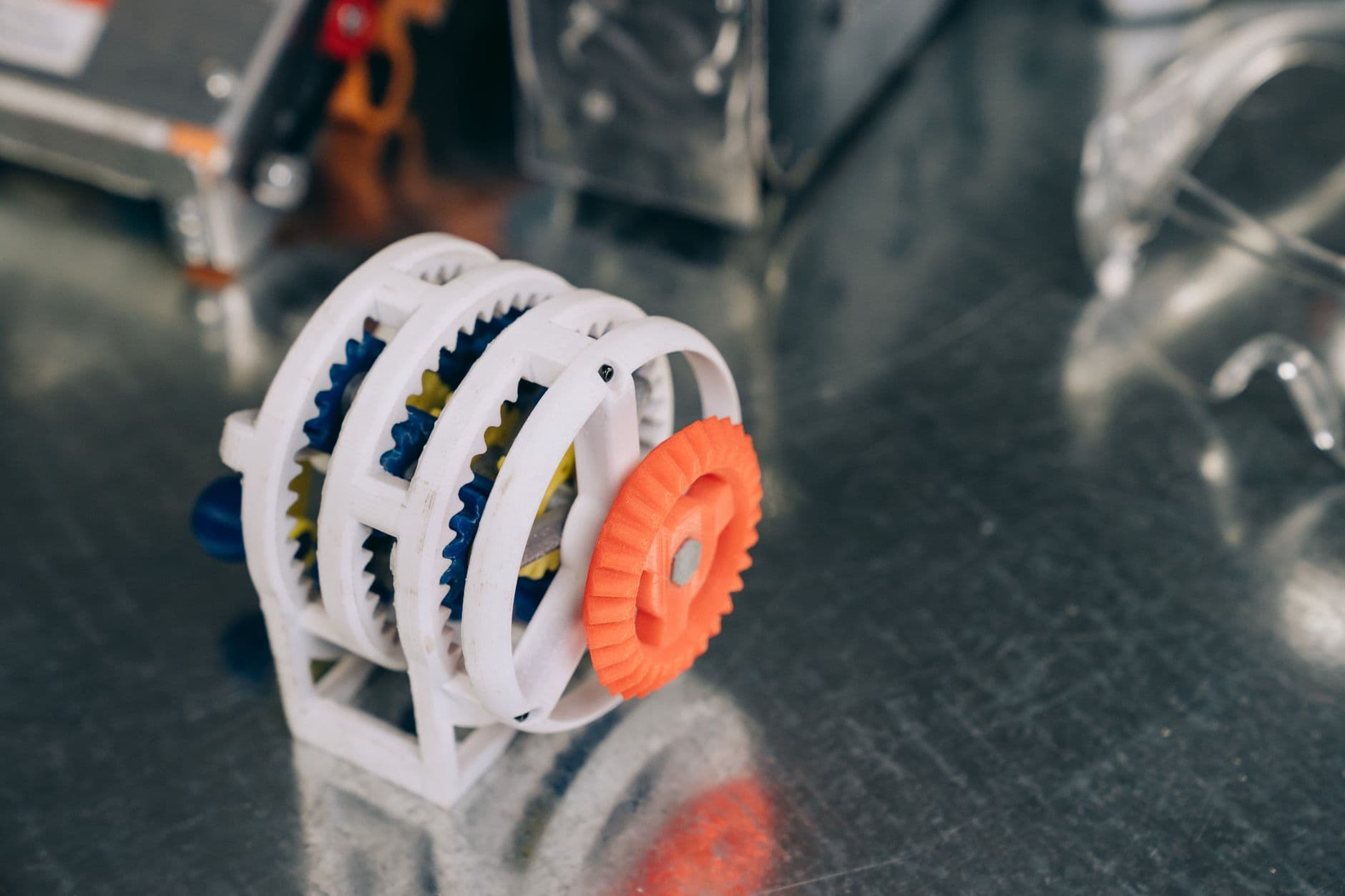
Give Your 3D Prints Real Substance: The Simple Magic of Plaster of Paris
For many embarking on their 3D printing journey, the initial thrill of seeing an object materialise layer by layer is unmatched. Yet, a common desire often emerges: how to make those creations feel more substantial, more 'finished'? Lightweight plastic prints can sometimes lack the perceived quality or stability required for certain applications, from decorative pieces to functional prototypes. This is where a remarkably simple and cost-effective technique, utilising the humble plaster of Paris, truly shines.
The Challenge of Lightness, The Quest for Heft
Imagine printing a detailed figurine, a custom bookend, or even a small stand for your electronics. While the form might be perfect, the airy feel of a hollow or low-infill print can detract from its overall impact. Traditional methods for adding weight, such as embedding metal objects mid-print or filling with epoxy, often introduce complexities, require careful timing, or come with significant cost implications. This can be especially daunting for beginners and those exploring 3D printing Cape Town for the first time.
Discovering the Elegance of Plaster of Paris
This ingenious method sidesteps these hurdles by integrating a carefully designed cavity into the base of your 3D model. Once your print is complete, this hollow space becomes a perfect reservoir for plaster of Paris. The beauty lies in its simplicity and accessibility.
Here's how it works:
- Design with Intent: When creating your 3D model, simply design an open cavity into the bottom of the object. This doesn't mean printing with zero infill throughout, but rather a dedicated void in the base where the plaster will be poured.
- Mix and Pour: After printing, prepare your plaster of Paris by mixing the dry powder with water until it forms a thick, yet pourable, consistency. Turn your print upside down and carefully pour the mixture into the designed cavity.
- Cure and Finish: Within roughly an hour, the plaster will set enough to handle. The real magic? Plaster of Paris is incredibly friendly to post-processing. Any rough spots can be easily sanded smooth, eliminating the need for a cap or additional cover. For added durability and a professional sheen, a clear coat sealant can be applied once fully cured.
Why This Method Excels for South African Makers
This technique offers numerous advantages, particularly for the vibrant maker community and businesses engaged in rapid prototyping South Africa:
- Cost-Effectiveness: Plaster of Paris is incredibly affordable and readily available, making it an ideal choice for budget-conscious hobbyists and small businesses. This allows for experimentation without significant financial outlay.
- Superior Finish: Unlike many other weighting methods, plaster provides a clean, smooth surface that integrates seamlessly with your print's aesthetic. This elevates the perceived quality of your finished items.
- Ease of Use: No complex steps, no mid-print pauses, and minimal mess make this an accessible technique for all skill levels.
- Versatility: From creating stable bases for intricate models to giving functional parts a premium feel, this method can be applied to a vast array of 3D printing projects. Whether you're a hobbyist or leveraging 3D printing services South Africa for a commercial venture, enhancing print quality in this way is invaluable.
This simple addition transforms a lightweight plastic print into something with a satisfying weight and a truly professional finish. It’s an empowering tip that demonstrates how small, thoughtful adjustments can significantly enhance the overall quality and utility of your 3D printed creations. So, the next time you design, consider giving your prints that extra bit of 'oomph' – you might be surprised by the impact it has!
At ThinkerPrint, we're dedicated to bringing you innovative and practical tips to elevate your 3D printing experience, whether you're just starting out or running a busy workshop in Cape Town or beyond. Stay tuned for more insights!